


Advanced Muscular Dystrophy Care in India

For parents, caregivers, and individuals facing the challenges of muscular dystrophy, the search for effective treatment can feel like a daunting and emotional journey. Muscular dystrophy is a condition that not only affects the patient’s physical strength but also the emotional resilience of families.
At MedIndiaTours, we understand that this journey requires more than just medical expertise—it requires empathy, guidance, and unwavering support.India offers some of the most advanced and compassionate healthcare solutions for muscular dystrophy, and we are here to guide you through every step of this process, from finding the right specialists to ensuring a comforting and healing experience for your loved ones.
Let us walk with you through this path of hope, care, and advanced medical possibilities.

What is Muscular Dystrophy??

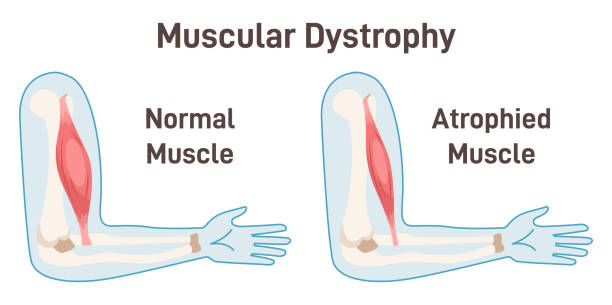
Muscular dystrophy is a group of inherited genetic conditions characterized by progressive muscle weakness and degeneration. The disorders result from abnormalities in proteins that are important for normal muscle structure and function.
The severity and progression vary considerably depending on the type of muscular dystrophy. Some forms begin in childhood, while others may develop during adolescence or adulthood.
Early diagnosis and coordinated medical care can help healthcare professionals develop an individualized management plan focused on maintaining mobility, managing complications, supporting independence, and improving quality of life.

Types, Symptoms & Causes of Muscular Dystrophy

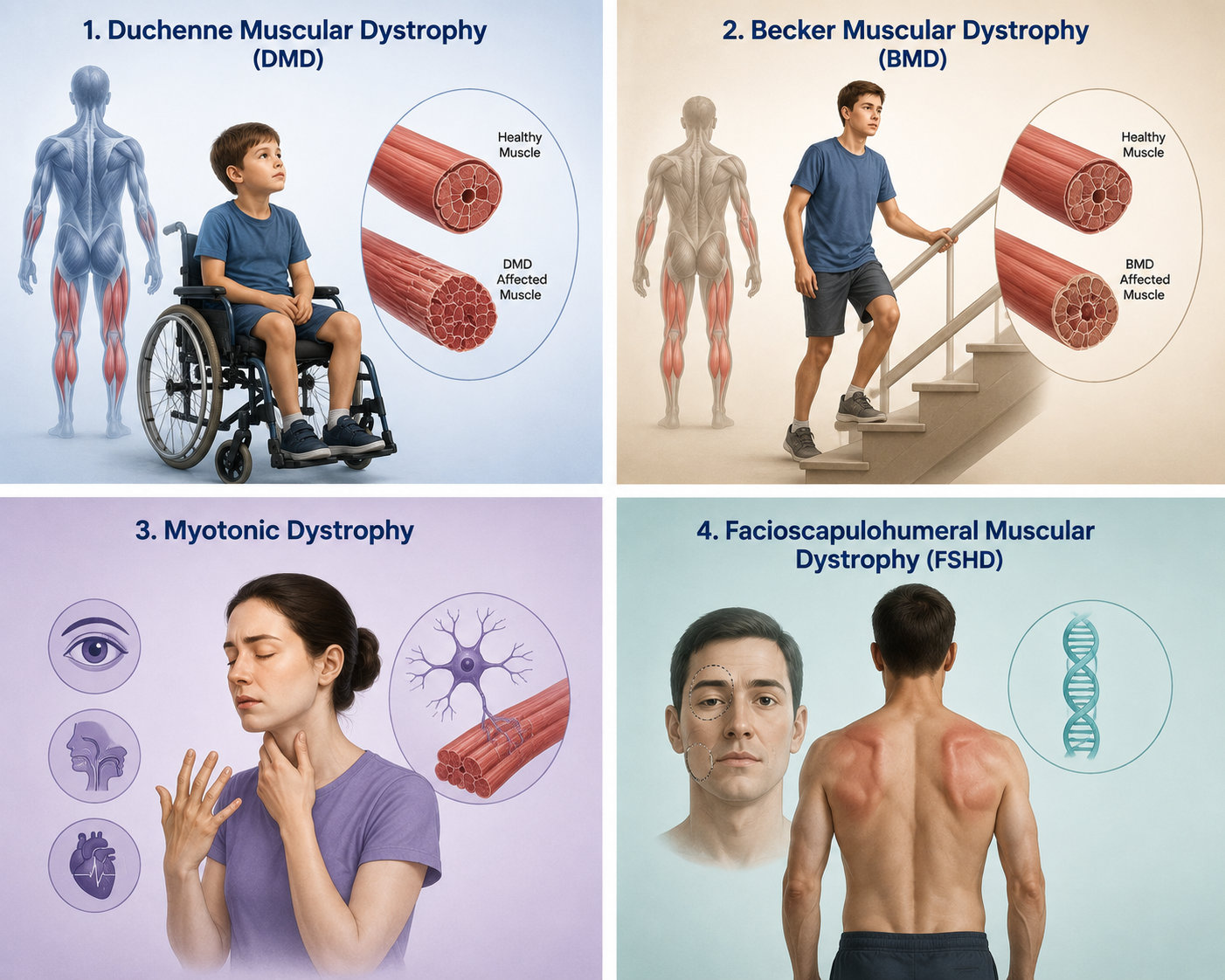
  1. Duchenne Muscular Dystrophy (DMD): The most common and severe form. Primarily affects boys and starts in early childhood, with symptoms appearing between ages 2 and 5. It causes rapid muscle weakness, starting in the legs and pelvis, and later affecting other muscles, including the heart and lungs.
  2. Becker Muscular Dystrophy (BMD): A milder form of Duchenne muscular dystrophy. Symptoms appear later, usually during the teen years or early adulthood. Progresses more slowly and allows individuals to maintain mobility longer.
  3. Myotonic Dystrophy: The most common form in adults. Characterized by prolonged muscle stiffness (myotonia), difficulty relaxing muscles, and muscle weakness. It may also affect other systems, including the heart, eyes, and endocrine glands.
  4. Facioscapulohumeral Muscular Dystrophy (FSHD): Affects muscles of the face, shoulders, and upper arms. Symptoms often appear in the teenage years or early adulthood. Progression is slow, and many individuals retain normal lifespan and mobility.

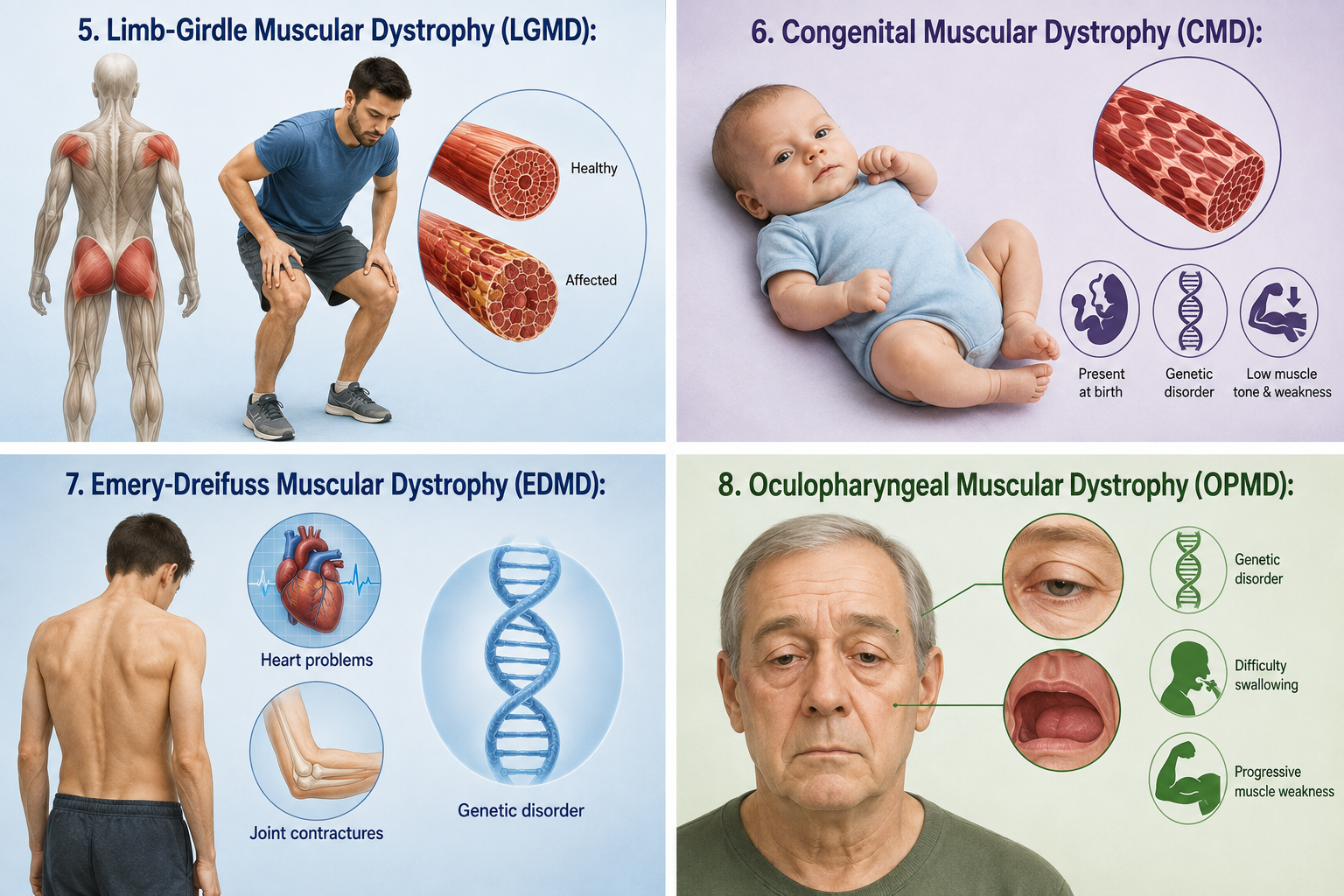
5. Limb-Girdle Muscular Dystrophy (LGMD): Affects the muscles around the shoulders and hips. Symptoms can begin in childhood or adulthood, depending on the subtype. Progression varies widely, from mild to severe.

6. Congenital Muscular Dystrophy (CMD): Symptoms are present at birth or develop shortly after which affects muscle tone and mobility from an early age. Some forms are associated with brain and intellectual development issues.

7Emery-Dreifuss Muscular Dystrophy (EDMD): Affects shoulder, upper arm, and shin muscles. Symptoms usually appear in childhood or early adolescence. Often associated with heart complications, requiring monitoring and treatment.

8. Oculopharyngeal Muscular Dystrophy (OPMD): Affects muscles of the eyes and throat, leading to droopy eyelids and difficulty swallowing. Symptoms usually appear in adulthood, often after age 40.

Click here for more information.

Treatments Available for Muscular Dystrophy

When it comes to treating muscular dystrophy, India is at the forefront of innovative and advanced medical treatments that provide hope to families worldwide. While there is no definitive cure for muscular dystrophy yet, India’s world-class hospitals offer a variety of treatments that can slow disease progressionenhance mobility, and improve overall quality of life.

Stemcell therapy for DMD in india
Some of the key treatment options available include:

Stem Cell Therapy: It is one of the most promising treatment for muscular dystrophy. Stem cell therapy offers hope by working to repair and regenerate muscle tissue.
How Stem Cell Therapy Works??
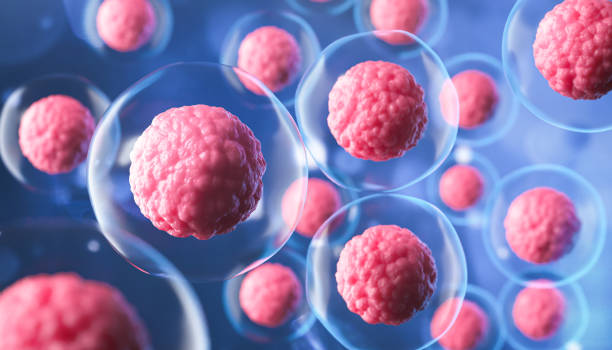
Stem cell therapy works by utilizing the body’s own regenerative cells to repair and replace damaged tissues.

Here’s a breakdown of how it works and particularly for treating conditions like muscular dystrophy:

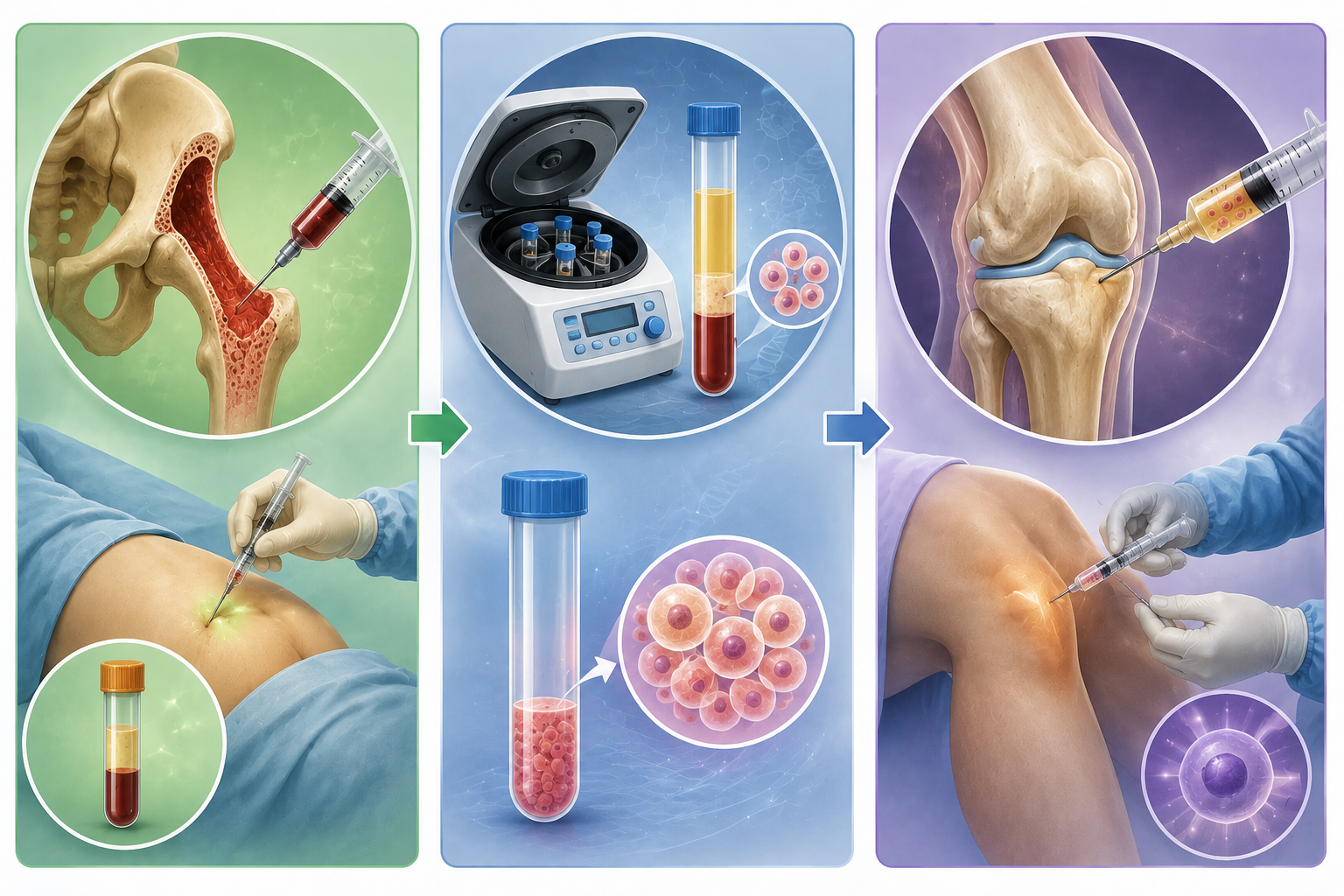
  • Harvesting Stem Cells: Stem cells are taken from the patient’s own body (autologous therapy), often from sources like bone marrow or adipose (fat) tissue and hip bone. This reduces the risk of rejection or immune response. Alternatively, donor stem cells may be used in some cases.
  • Processing and Isolation: Once harvested, the stem cells are processed and isolated in a lab to ensure a high concentration of viable cells that are capable of regenerating damaged tissues.
  • Injection into Target Area: The concentrated stem cells are then finally injected directly into the affected muscles or tissues. In cases like muscular dystrophy, the goal is to introduce these healthy cells into the areas where muscle cells are deteriorating.
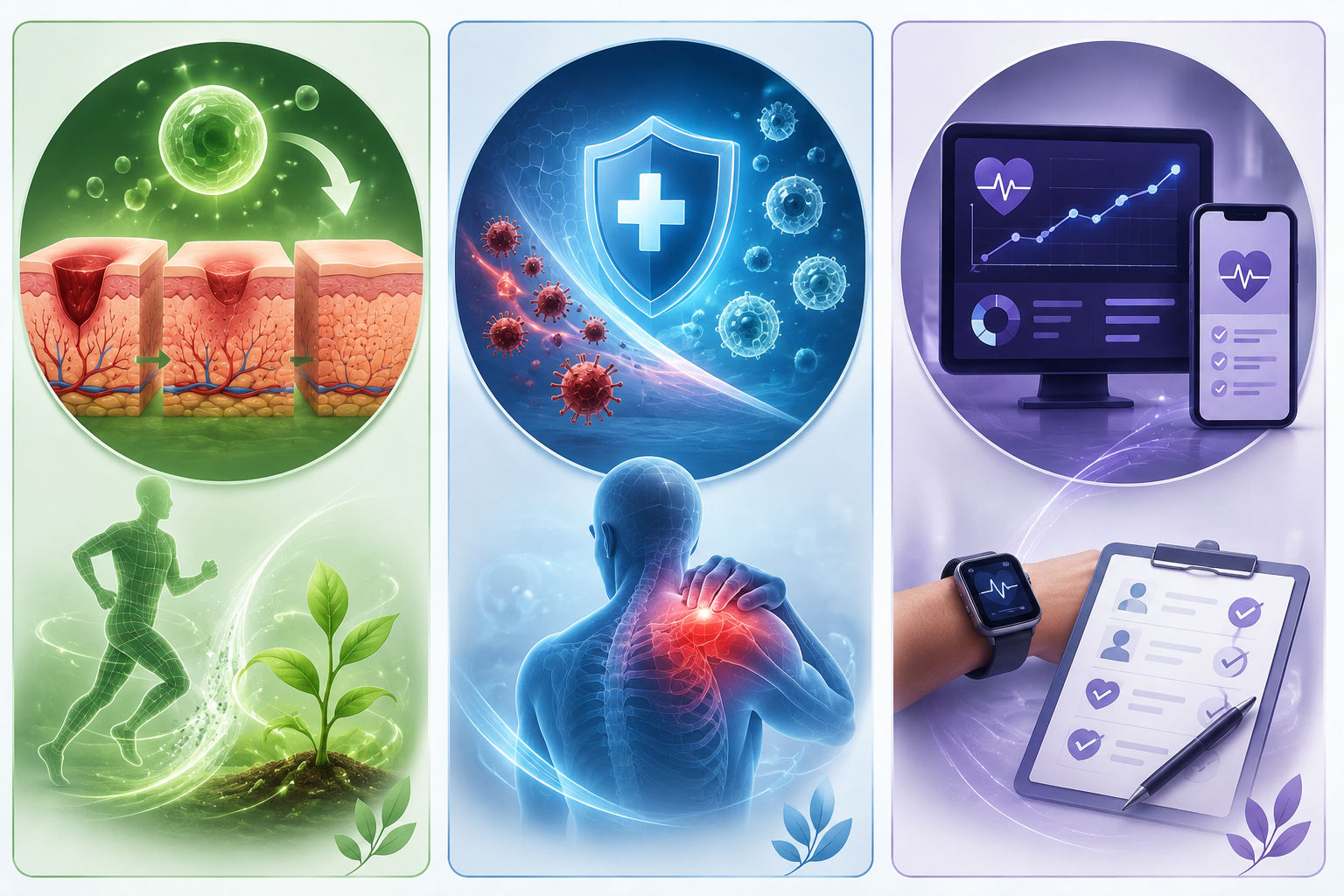
  • Regeneration and Repair: Once inside the body, stem cells can differentiate into specific types of cells, such as muscle cells. They release growth factors and other chemicals that help repair and regenerate damaged tissues, promoting the formation of new, healthy muscle fibers.
  • Reduction of Inflammation: Stem cells also help to modulate the body’s immune response by reducing inflammation which help alleviate some of the pain and stiffness associated with muscular dystrophy.
  • Ongoing Monitoring: After the therapy, patients are monitored to assess how well the stem cells are working to repair and regenerate muscle tissue, then additional treatments may be administered if necessary.

Stem cell therapy is a promising approach because it leverages the body’s natural healing mechanisms to offer a less invasive and more personalized treatment option for degenerative diseases like muscular dystrophy.

  • Physical Therapy and Rehabilitation: Comprehensive care for muscular dystrophy also includes ongoing physical therapy and rehabilitation, tailored to maintain mobility further to reduce muscle wasting, and support daily functioning. Our partner hospitals in India employ compassionate teams of physiotherapists who work one-on-one with patients to develop personalized rehabilitation plans that meet the unique needs of each individual.

In India, your family can rest assured that the treatment your loved one receives will be world-class, compassionate, and aimed at enhancing the quality of life.

Why Choose India for Muscular Dystrophy Treatment?
  • India has a large network of hospitals and specialist healthcare centers offering multidisciplinary neurological and rehabilitation services.
    International patients may benefit from:

    • Specialist consultations
    • Advanced diagnostic facilities
    • Multidisciplinary medical care
    • Rehabilitation services
    • Genetic evaluation
    • Hospital coordination
    • Medical travel assistance
    • Treatment planning
    • Follow-up coordination

    The appropriate hospital and specialist depend on the patient’s diagnosis, age, treatment history, and medical requirements.

  • MedIndia Tours assists international patients in coordinating their medical journey to India.
    Our support can include:

    • Medical record collection
    • Preliminary treatment coordination
    • Specialist appointment assistance
    • Hospital coordination
    • Travel planning support
    • Accommodation assistance
    • Local transportation coordination
    • Treatment scheduling
    • Follow-up coordination

    The medical treatment itself is provided by qualified healthcare professionals and hospitals.

What you can expect after Stem Cell Treatment

Stemcell therapy for DMD in india
  • Improved Muscle Strength
  • Slower Disease Progression
  • Better Mobility
  • Enhanced Respiratory Function
  • Improved Heart Function
  • Reduction in Muscle Fatigue
  • Improved Quality of Life
  • Regeneration of Muscle Tissue

Treatment Cost of Muscular Dystrophy in India


The cost of managing muscular dystrophy in India varies considerably depending on the type of muscular dystrophy, disease stage, medications, physiotherapy, diagnostic tests, supportive care, and hospital facilities.
While some clinics may advertise stem cell therapy for muscular dystrophy at approximately $5,000–$10,000 USD, this should not be presented as an established or routine treatment. Current Indian evidence-based guidelines state that stem cell therapy is not recommended for routine treatment of muscular dystrophy and should be considered only within rigorously conducted, appropriately approved clinical trials.

Stemcell therapy for Duchenne Muscular dystrophy in india

Frequently Asked Questions (FAQ's)

There is currently no universal cure for muscular dystrophy. Treatment focuses on managing symptoms, preserving function, slowing progression where possible, and addressing complications

There is no single treatment that is best for every patient. Management depends on the type of muscular dystrophy, genetic cause, age, symptoms, disease stage, and overall health.


Yes. Patients can access specialist evaluation, medication management, physiotherapy, rehabilitation, respiratory care, cardiac monitoring, orthopedic care, genetic counseling, and other multidisciplinary services in India.


DMD management may include corticosteroids, physiotherapy, respiratory care, cardiac monitoring, orthopedic management, rehabilitation, genetic counseling, and selected disease-specific therapies depending on the patient’s clinical and genetic profile.


Genetic testing can identify disease-causing variants and help confirm or classify certain types of muscular dystrophy. The specific test depends on the suspected condition and clinical findings.


Children can receive specialized pediatric neurology, rehabilitation, respiratory, cardiac, orthopedic, and genetic care depending on their diagnosis and clinical needs.

There is no fixed cost. Expenses depend on diagnosis, investigations, medications, rehabilitation, specialist consultations, and other medical requirements.


An initial online medical-record review or consultation may be possible before travelling to India, depending on the healthcare provider and clinical requirements.

Scroll to Top