
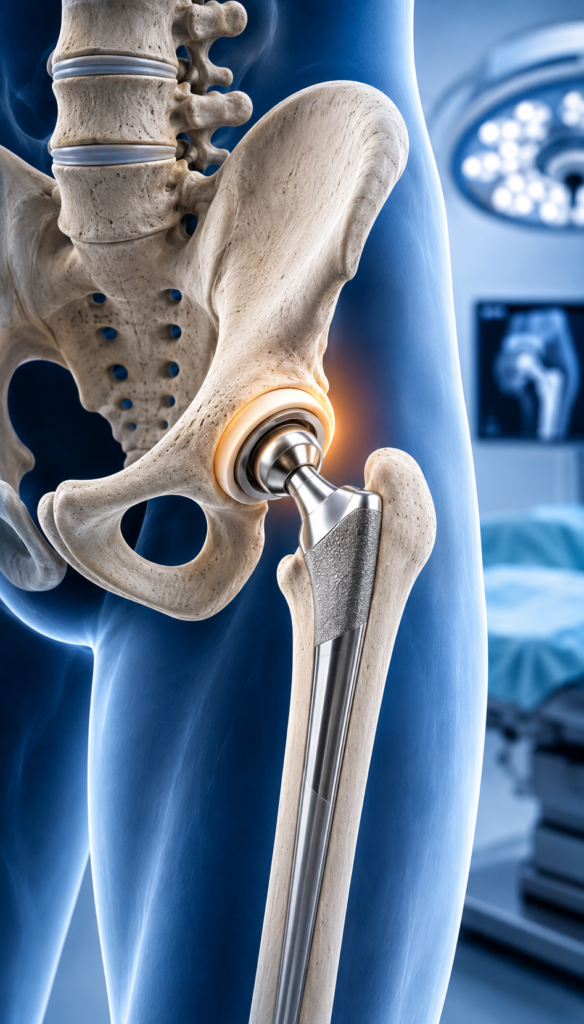
Hip Replacement Surgery in India

Advanced Hip Replacement Treatment in India

Hip replacement surgery in India is a widely performed orthopedic procedure for patients suffering from severe hip pain, joint damage, arthritis, avascular necrosis (AVN), hip fractures, and other conditions affecting the hip joint.
At MedIndiaTours, we help international patients explore hip replacement treatment in India by connecting them with experienced orthopedic specialists and hospitals. We assist patients with hospital coordination, medical consultations, treatment planning, travel arrangements, accommodation, and follow-up support.

Get a Medical Opinion | Get Treatment Cost Estimate | Plan Your Treatment in India

When Is Hip Replacement Surgery Recommended?

Hip replacement may be considered when hip damage causes persistent pain and difficulty performing everyday activities and when conservative treatments no longer provide adequate relief.

Common symptoms and indications include:

  • Persistent hip pain
  • Pain while walking or climbing stairs
  • Difficulty standing or sitting for long periods
  • Hip stiffness and reduced movement
  • Difficulty putting on shoes or socks
  • Pain during daily activities
  • Pain that continues at night or during rest
  • Reduced mobility and independence
  • Failure of medications, physiotherapy, activity modification, or walking aids to adequately control symptoms

The decision to undergo surgery should be made after a detailed evaluation by an orthopedic surgeon.

Conditions That May Require Hip Replacement

Hip replacement may be recommended for patients with significant joint damage caused by conditions such as:

Osteoarthritis

Osteoarthritis can progressively damage the cartilage covering the hip joint, causing pain, stiffness, and reduced mobility. Common symptoms are stiffness, pain during movement, grinding sensation, reduced range of motion.

Avascular Necrosis

Avascular necrosis (AVN) , also called osteonecrosis, occurs when blood supply to the femoral head is reduced, potentially causing bone collapse and arthritis. Advanced cases may require hip replacement.

Rheumatoid Arthritis

Inflammatory arthritis can damage the cartilage and bone of the hip joint and may eventually result in severe pain and functional limitations. It often affects both hips symmetrically.

Hip Fracture

Certain severe hip fractures, particularly those affecting the femoral neck, may require partial or total hip replacement depending on the patient's condition.

Post-Traumatic Arthritis

Previous injuries or fractures can damage the hip joint and cause arthritis years later

Developmental Hip Conditions

Some childhood or developmental hip disorders can lead to abnormal joint development and arthritis in adulthood.
Types of Hip Replacement Surgery

The orthopedic surgeon may recommend different types of hip replacement depending on the condition.

Total Hip Replacement
Total hip replacement, or Total Hip Arthroplasty (THA), replaces both the damaged femoral head and the damaged acetabular surface. It is one of the most common forms of hip replacement.

Partial Hip Replacement
Partial hip replacement, also called hemiarthroplasty, generally replaces the femoral head while leaving the acetabular socket intact. It may be used for selected hip fractures.

Revision Hip Replacement
Revision surgery is performed when an existing hip implant develops complications such as loosening, wear, infection, instability, or other problems requiring replacement or reconstruction.

Hip Replacement Surgical Techniques

The surgical approach is selected by the orthopedic surgeon based on the patient’s anatomy, diagnosis, previous surgery, implant requirements, and surgeon expertise.

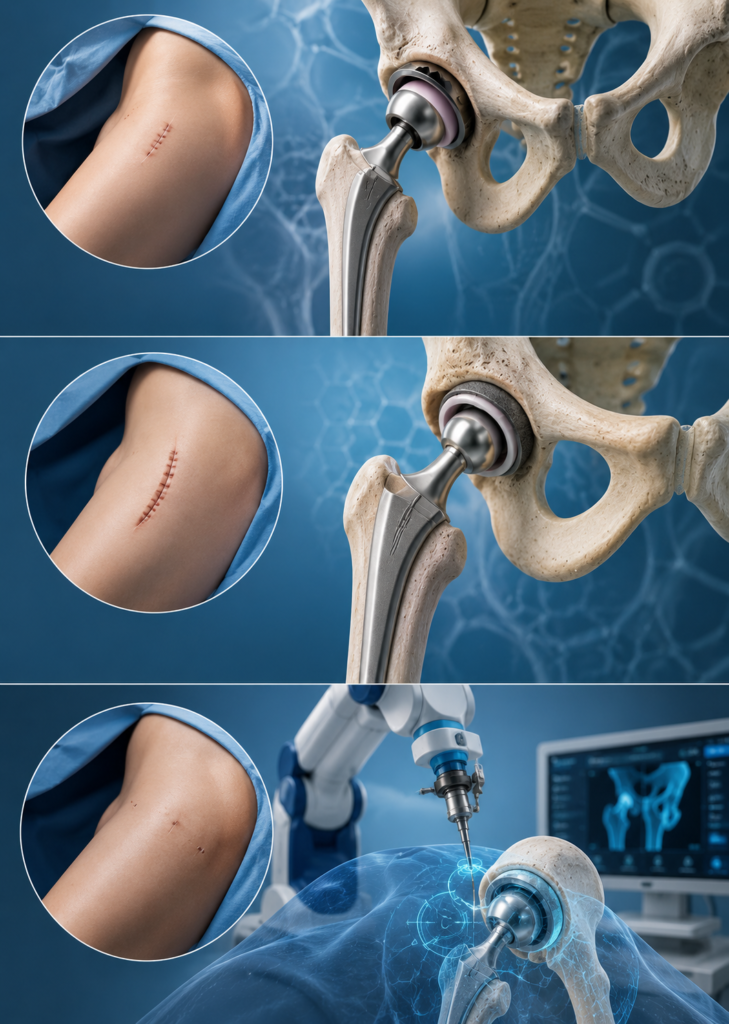
Minimally Invasive Hip Replacement

Minimally invasive techniques use smaller or modified incisions and aim to reduce soft-tissue disruption. However, these techniques are not appropriate for every patient, and the surgeon determines the most suitable approach.

Conventional Hip Replacement

Traditional approaches provide the surgeon with access to the hip joint through a standard surgical incision. The choice of approach depends on individual patient factors and the surgeon’s assessment.

Robotic-Assisted Hip Replacement

Robotic-assisted technology may be used as part of selected joint replacement procedures to assist with planning and implant positioning. Robotic technology supports the surgeon’s decision-making rather than replacing surgical expertise.

Hip Replacement Surgery Procedure

Before surgery, the orthopedic team performs a detailed assessment that may include: 

  • Medical history
  • Physical examination
  • X-rays
  • Blood investigations
  • ECG and other preoperative tests when required
  • Evaluation of existing medical conditions
  • Medication review
  • Anesthesia assessment

During total hip replacement, the damaged bone and cartilage are removed and prosthetic components are positioned to restore the function of the hip joint.
A typical total hip replacement procedure may take approximately 1–2 hours, although the actual duration varies according to the patient’s condition and surgical complexity.
After surgery, the medical team monitors the patient and begins an appropriate rehabilitation program.

Advantages of Hip Replacement Surgery:

  • Significant Pain Relief::
    • Hip replacement effectively eliminates chronic hip pain caused by arthritis, fractures, or other joint damage, allowing patients to resume daily activities comfortably.
  • Improved Mobility and Function:
    • After recovery, patients experience a significant improvement in hip joint movement, making walking, climbing stairs, and even exercising much easier.
  • Enhanced Quality of Life:
    • Restored mobility and reduced pain contribute to a more active, independent, and fulfilling lifestyle, improving both physical and mental well-being.
  • High Success and Longevity Rates:
    • Modern implants can last 15–25 years or more with proper care, offering long-term relief and function, especially with advancements in materials like ceramic and titanium.
  • Faster Recovery with New Techniques:
    • Innovations like minimally invasive surgeryrobotic assistance, and computer navigation now mean quicker healing times, smaller scars, and less postoperative pain.
  • Customizable Solutions:
    • Techniques like partial hip replacementhip resurfacing, and bilateral hip replacement allow treatment to be tailored to individual patient needs.
  • High Success Rate Globally and in India:
    • Success rates for hip replacement surgery are above 95% in top medical centers worldwide, with India offering world-class expertise at more affordable costs.
 

Why Choose India for Hip Replacement Surgery?

India has developed a strong orthopedic healthcare sector with hospitals offering joint replacement, orthopedic rehabilitation, advanced diagnostic services, and multidisciplinary medical care.

International patients may consider India because of:

  • Experienced orthopedic surgeons
  • Specialized joint replacement centers
  • Modern hospitals
  • Advanced diagnostic facilities
  • Different implant options
  • Comprehensive rehabilitation services
  • International patient support
  • Competitive treatment costs compared with many countries

Treatment quality and outcomes depend on the hospital, surgeon, implant, patient condition, and overall care pathway. Patients should evaluate hospitals and surgeons carefully rather than selecting treatment based only on price.

Hip Replacement Surgery Cost in India

The cost of hip replacement surgery in India varies depending on several factors, including:

  • Type of hip replacement
  • Primary or revision surgery
  • Hospital selected
  • Surgeon’s expertise
  • Implant brand and material
  • Surgical technique
  • Patient’s medical condition
  • Diagnostic investigations
  • Length of hospital stay
  • Physiotherapy and rehabilitation
  • Additional treatment required

Because every patient has different clinical requirements, MedIndiaTours can help international patients obtain an individualized treatment plan and estimated package cost after reviewing their medical reports.

Request a Personalized Hip Replacement Cost Estimate in India

Best Hospitals for Hip Replacement Surgery in India

India has several hospitals with dedicated orthopedic and joint replacement departments.

The appropriate hospital depends on the patient’s diagnosis, required procedure, surgeon expertise, implant requirements, budget, and preferred location.

MedIndiaTours can help patients compare suitable hospitals and orthopedic specialists based on their medical requirements.

Frequently Asked Questions (FAQ's)

The cost varies according to the hospital, surgeon, implant, procedure type, patient’s condition, hospital stay, and rehabilitation requirements. A personalized estimate should be obtained after medical evaluation.

A total hip replacement commonly takes around 1–2 hours, although surgical time can vary depending on the complexity of the procedure.

Recovery varies between patients. Early rehabilitation begins soon after surgery, while complete recovery and return to activities can take several weeks to months depending on individual circumstances.

Some pain and discomfort are expected after surgery. Pain-management techniques and physiotherapy are used to help patients recover and regain mobility.

Advanced AVN with femoral-head collapse and significant joint damage may require total hip replacement. Earlier-stage AVN may have other treatment options, so assessment by an orthopedic specialist is important.

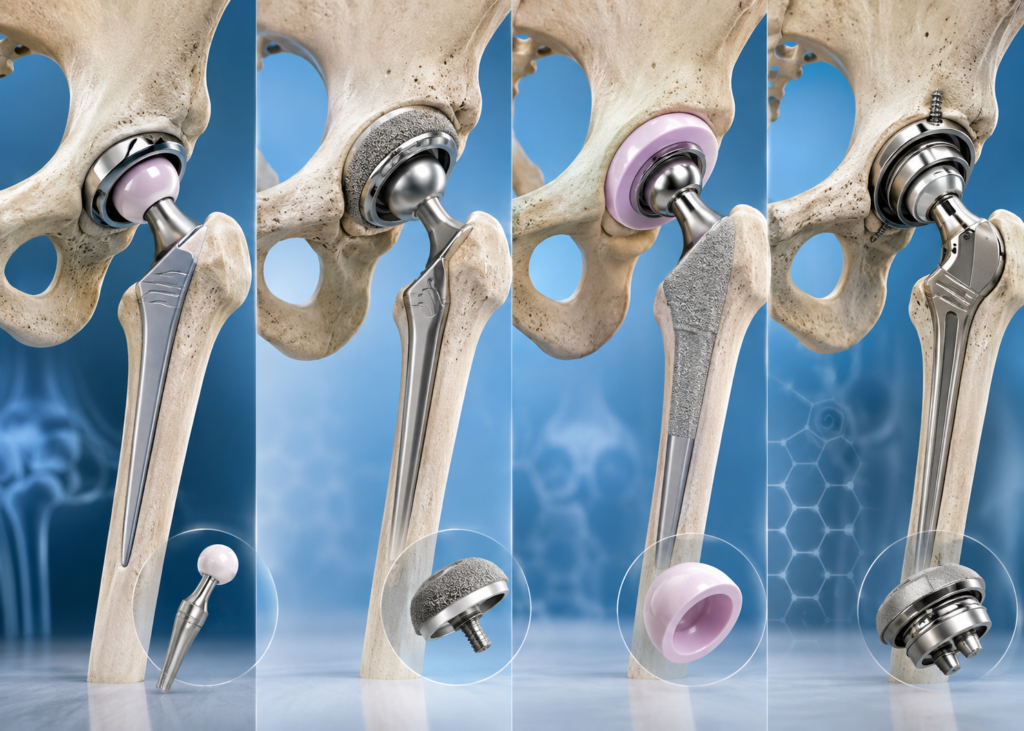
Hip implants may use combinations of ceramic, metal, and polyethylene components. The surgeon selects the appropriate implant based on the patient’s individual needs

Yes. International patients can seek orthopedic treatment in India, subject to appropriate medical evaluation, travel documentation, and hospital acceptance.

MedIndiaTours can coordinate medical opinions, hospital appointments, treatment estimates, travel assistance, accommodation, transportation, and other medical-tourism services for international patients

Scroll to Top