
Frequently Asked Questions (FAQ's)
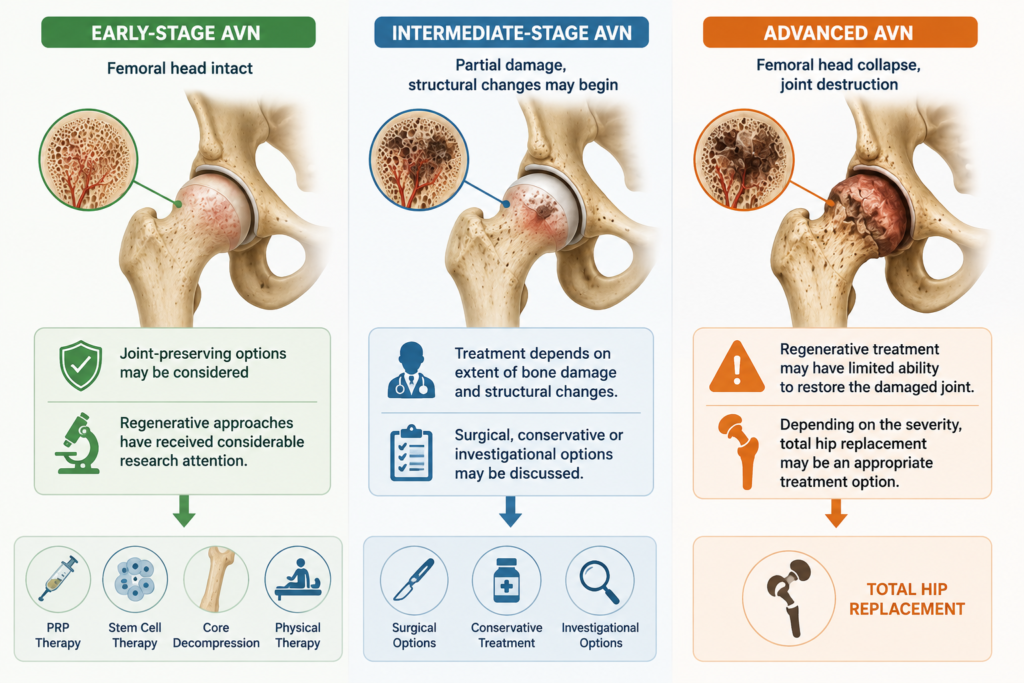
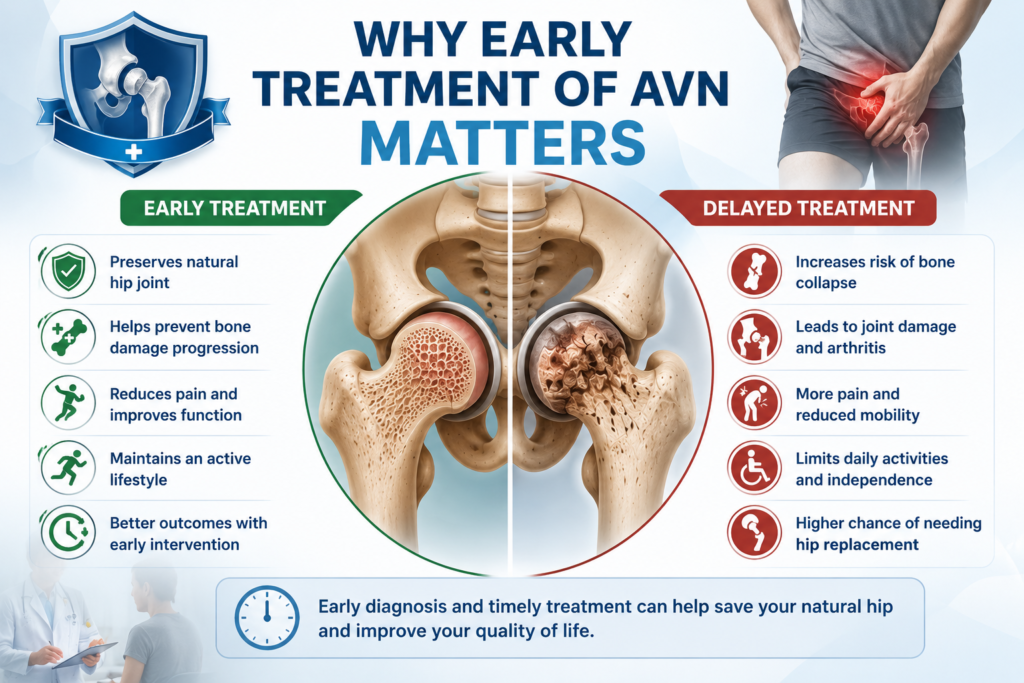
Early-stage, pre-collapse AVN is the main setting in which cell-based regenerative approaches have been studied. However, suitability must be determined by an orthopedic specialist.
Advanced AVN may require established orthopedic treatment. Depending on the extent of collapse and joint damage, total hip replacement may be considered.
AVN is evaluated using clinical examination and imaging, particularly X-rays and MRI. MRI can help identify early disease and assess the extent of bone involvement.
Common risk factors include long-term corticosteroid use, excessive alcohol consumption, fractures or dislocation and other medical conditions. In some patients, no definite cause is identified.
Core decompression is a joint-preserving orthopedic procedure used primarily for selected patients with early-stage AVN. It involves creating channels within the affected bone to reduce pressure and support healing. In research settings, cell-based treatment may be added to the procedure.
Depending on the patient’s condition, the treating team may request:
- MRI of the hip
- X-rays
- Blood investigations
- Medical history
- Medication history
- Assessment of AVN stage
- Evaluation of underlying risk factors
- General health assessment
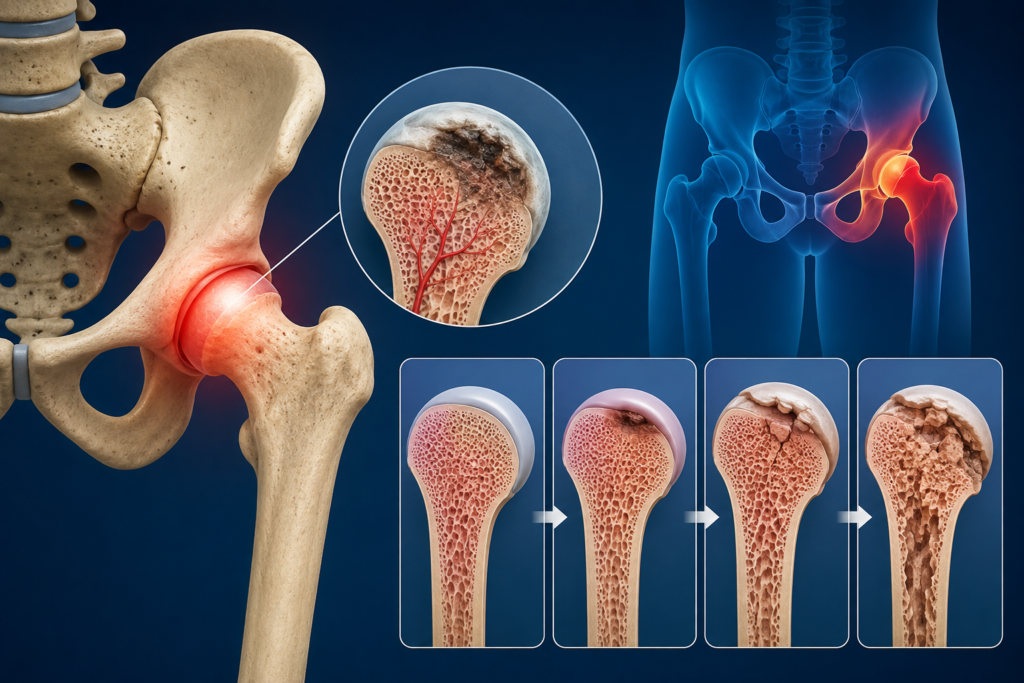
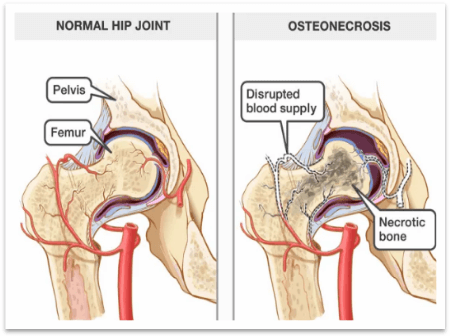
AVN can have several causes and risk factors. These may include prolonged corticosteroid exposure, excessive alcohol consumption, trauma to the hip, certain medical conditions and previous treatments. In some patients, the cause remains unknown.
Recovery varies according to the patient’s disease stage and the procedure performed. Patients may require temporary weight-bearing restrictions, physiotherapy and follow-up imaging. Recovery should be individualized by the treating orthopedic team.