
Knee Replacement Surgery in India
Knee replacement in India is a widely performed orthopedic procedure for patients suffering from severe knee pain, advanced arthritis, joint damage, and reduced mobility. India offers access to experienced orthopedic specialists, modern hospitals, advanced surgical techniques, and comprehensive rehabilitation programs.
MedIndia Tours helps international patients connect with suitable hospitals and orthopedic specialists in India and assists them throughout their medical journey—from medical consultation and treatment planning to hospital coordination, travel arrangements, accommodation, and post-treatment support.
Whether you require total knee replacement, partial knee replacement, or bilateral knee replacement, our team can help coordinate your treatment in India based on your medical reports and individual requirements.
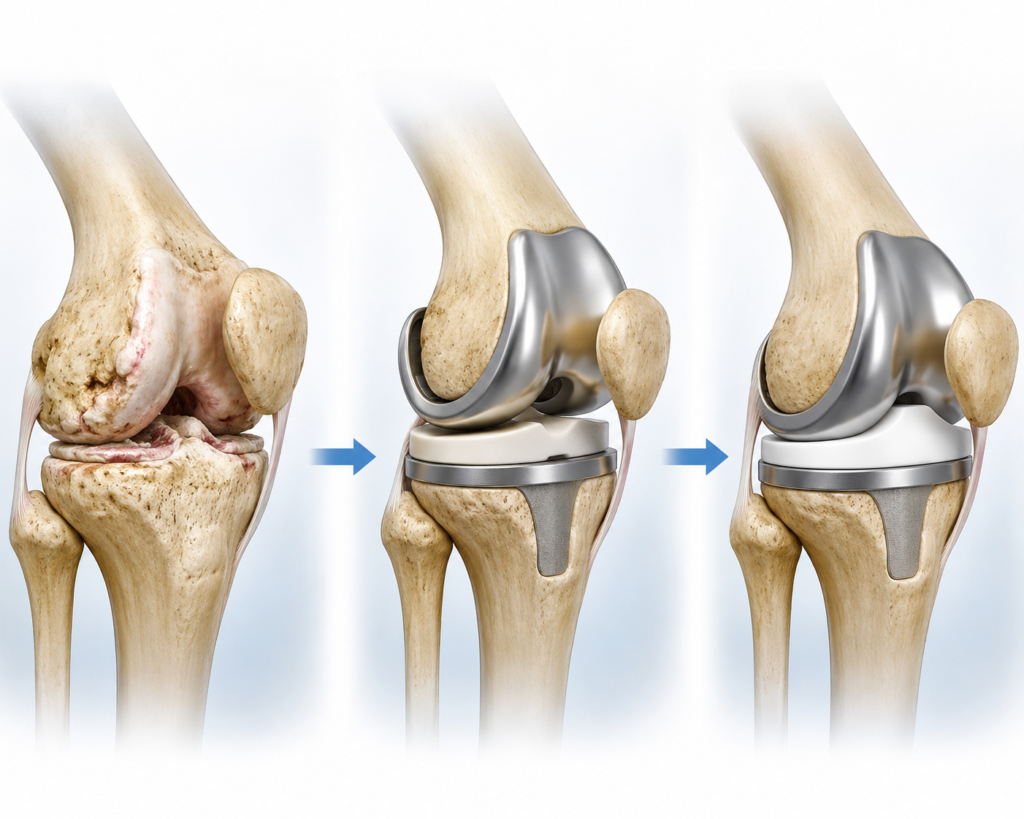
What Is Knee Replacement Surgery?
Knee replacement, also called knee arthroplasty, involves removing damaged areas of the knee joint and replacing them with artificial components, commonly made from metal and medical-grade plastic. Total knee replacement replaces the major damaged surfaces of the knee, while partial replacement may be appropriate when damage is limited to one compartment.
The primary goals are to:
- Reduce chronic knee pain
- Improve knee function
- Improve mobility
- Correct certain deformities
- Help patients perform everyday activities more comfortably
Types of Knee Replacement Surgery
1. Total Knee Replacement
Total knee replacement (TKR) is the most common form of knee replacement. Damaged surfaces of the thigh bone and shin bone are replaced with artificial components.
It may be recommended when arthritis or other damage affects multiple areas of the knee.
2. Partial Knee Replacement
A partial knee replacement replaces only the damaged compartment of the knee. It may be suitable for carefully selected patients whose disease is limited to one part of the joint.
The decision between partial and total replacement is made by the orthopaedic surgeon after evaluating the knee.
3. Robotic-Assisted Knee Replacement
Some hospitals in India offer robotic-assisted or computer-assisted knee replacement. These technologies may help surgeons with planning and implant positioning in selected cases.
Patients should discuss the potential benefits, limitations and suitability of robotic-assisted surgery with their surgeon rather than choosing a procedure based only on the technology used.
When Is Knee Replacement Surgery Recommended?
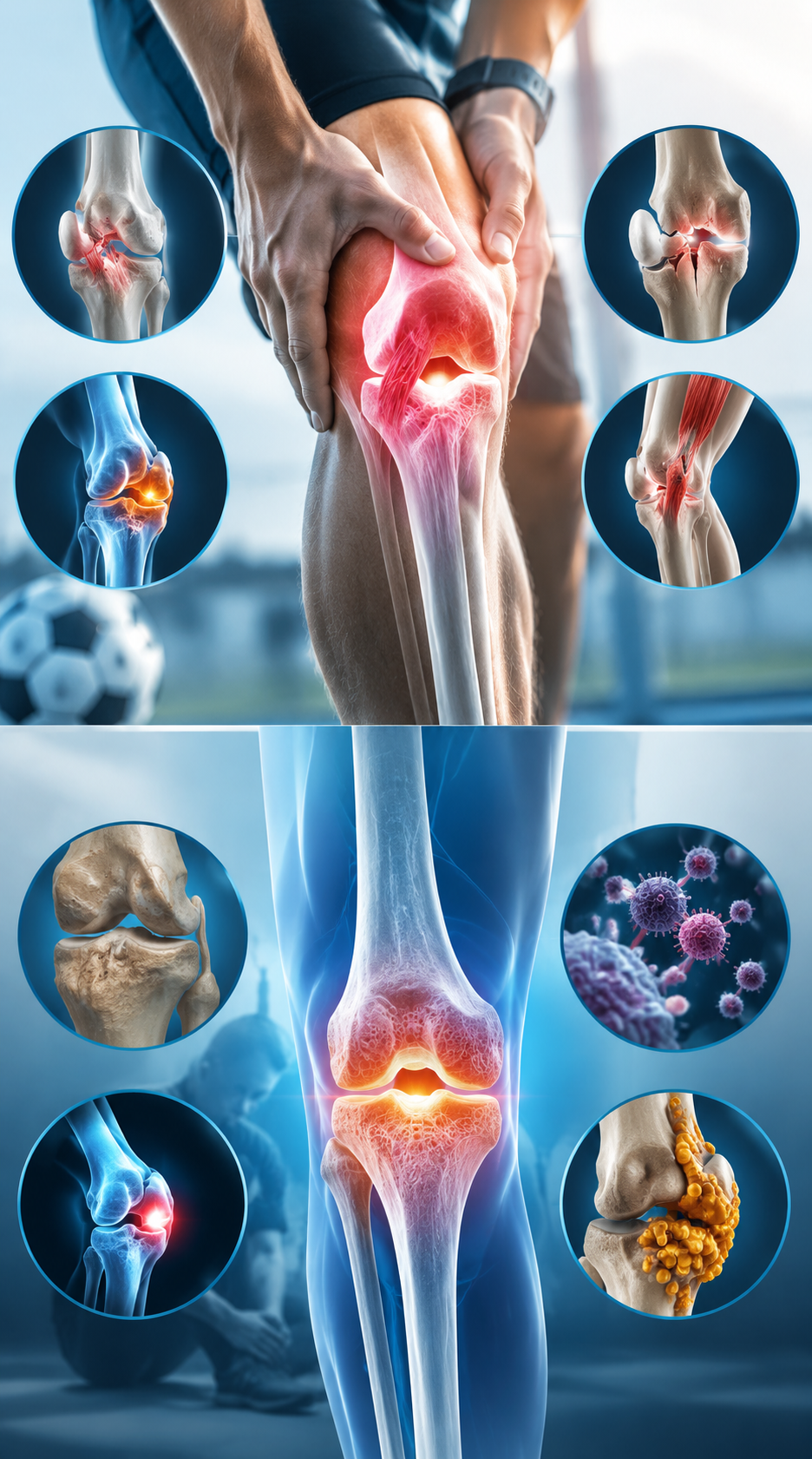
1. Injuries
- Ligament Injuries: Torn ligaments, such as the ACL (anterior cruciate ligament), often caused by sports or accidents.
- Meniscus Tears: Damage to the cartilage between the thigh and shin bones, commonly due to twisting or overuse.
- Fractures: Broken bones in or around the knee, often from trauma or falls.
- Tendon Injuries: Tendonitis or tendon tears from overuse or sudden impact.
2. Arthritis
Osteoarthritis: Wear-and-tear arthritis that damages cartilage, leading to stiffness and pain.
Rheumatoid Arthritis: An autoimmune condition causing inflammation and damage to the knee joint.
Gout: Accumulation of uric acid crystals in the knee joint, causing intense pain and swelling.
Septic Arthritis: Infection in the joint, leading to redness, swelling, and severe pain.
3. Overuse and Strain
- Bursitis: Inflammation of fluid-filled sacs (bursae) that cushion the knee joint, caused by repetitive movement or pressure.
- Patellar Tendonitis: Also known as “jumper’s knee,” common in athletes who overuse the knee
4. Structural Problems
- Knee Cap Misalignment: Improper tracking of the kneecap, causing discomfort and limited motion.
- IT Band Syndrome: Irritation of the iliotibial band, a ligament that runs along the outside of the thigh.
5. Obesity: Excess weight puts additional strain on the knee joints, accelerating wear and tear.
6. Aging: Natural degeneration of cartilage and joint tissues over time, leading to stiffness and discomfort.
7. Infections or Diseases: Conditions like Lyme disease, lupus, or certain bone infections can cause knee pain as a symptom.
8. Lifestyle Factors: Sedentary habits, lack of exercise, or poor posture can weaken knee-supporting muscles and lead to pain.
Advanced Knee Replacement Surgery Options
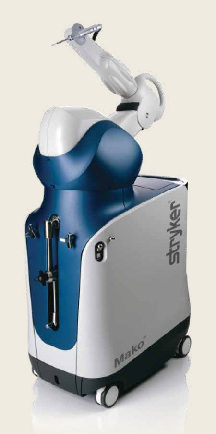
1. Robotic-Assisted Knee Replacement
Robotic-assisted knee replacement is an advanced surgical technique that uses robotic technology to assist the surgeon in performing precise and personalized knee replacement procedures. This approach enhances accuracy and outcomes, particularly for patients with unique knee structures or complex conditions.
How It Works:
- Pre-Surgical Planning
- Advanced imaging techniques, such as CT scans or MRIs, create a detailed 3D model of the patient’s knee.
- The surgeon uses this model to plan the surgery, including the exact placement and alignment of the implant.
- Intraoperative Guidance
- During the procedure, a robotic arm or system guides the surgeon based on the pre-surgical plan.
- The system provides real-time feedback, ensuring precise cuts and implant positioning.
- The surgeon remains in full control, with the robot serving as a highly accurate tool.
- Custom Fit: The robotic system allows for micro-adjustments to ensure the implant fits the patient’s anatomy perfectly, improving joint function and durability.
Partial knee replacement, also known as unicompartmental knee replacement, is a surgical procedure in which only the damaged compartment of the knee joint is replaced with an implant, preserving the healthy parts of the knee. This is an alternative to total knee replacement for patients whose knee damage is confined to a single compartment.
Anatomy of the Knee and Compartmental Damage
The knee joint is divided into three compartments:
- Medial Compartment: The inner side of the knee.
- Lateral Compartment: The outer side of the knee.
- Patellofemoral Compartment: The area between the kneecap and the thigh bone.
In cases where arthritis or damage is limited to one compartment (commonly the medial compartment), partial knee replacement may be recommended.
Minimally Invasive Knee Replacement (MIKR) is a surgical technique designed to replace a damaged knee joint using smaller incisions and advanced surgical tools. This approach reduces trauma to the surrounding muscles and tissues compared to traditional knee replacement surgery, leading to quicker recovery and less post-operative discomfort.
Key Features of Minimally Invasive Knee Replacement
- Smaller Incisions:
- The incision is typically 4–6 inches long, compared to 8–12 inches in traditional surgery.
- Preservation of Tissue:
- The surgeon works around muscles and tendons instead of cutting through them, preserving their structure and function.
- Specialized Tools and Techniques:
- Advanced instruments and imaging technologies are used to perform precise implant placement in a confined surgical field.
Computer-Assisted Surgery (CAS) is an advanced surgical technique that uses computer technology to guide surgeons during knee replacement procedures. It enhances precision in implant placement and alignment, which are critical for the success and longevity of the knee replacement. CAS acts as a “GPS system” for the surgeon, providing real-time feedback and ensuring optimal outcomes.
How CAS Works in Knee Replacement Surgery
- Pre-Surgical Planning:
- Advanced imaging (CT or MRI scans) is used to create a 3D model of the patient’s knee anatomy.
- The computer generates a surgical plan, including the exact alignment and position of the implant.
- Intraoperative Navigation:
- During surgery, the system uses sensors and trackers placed on the patient’s knee.
- The computer displays a detailed view of the knee, allowing the surgeon to make precise adjustments in real-time.
- Implant Placement:
- The system ensures that the implants are aligned correctly with the natural axis of the leg, minimizing errors in placement or sizing.

Knee Replacement Surgery Cost in India
The cost of knee replacement surgery in India varies depending on several factors.
Important factors include:
- Type of knee replacement
- Implant brand and design
- Surgeon and hospital
- Patient’s medical condition
- Robotic or computer-assisted technology
- Pre-operative investigations
- Room category
- Length of hospital stay
- Physiotherapy and rehabilitation
- Treatment of any complications
Therefore, there is no single fixed price applicable to every patient.
For an accurate knee replacement cost estimate, MedIndia Tours can coordinate a hospital consultation and personalized quotation after reviewing the patient’s medical reports.
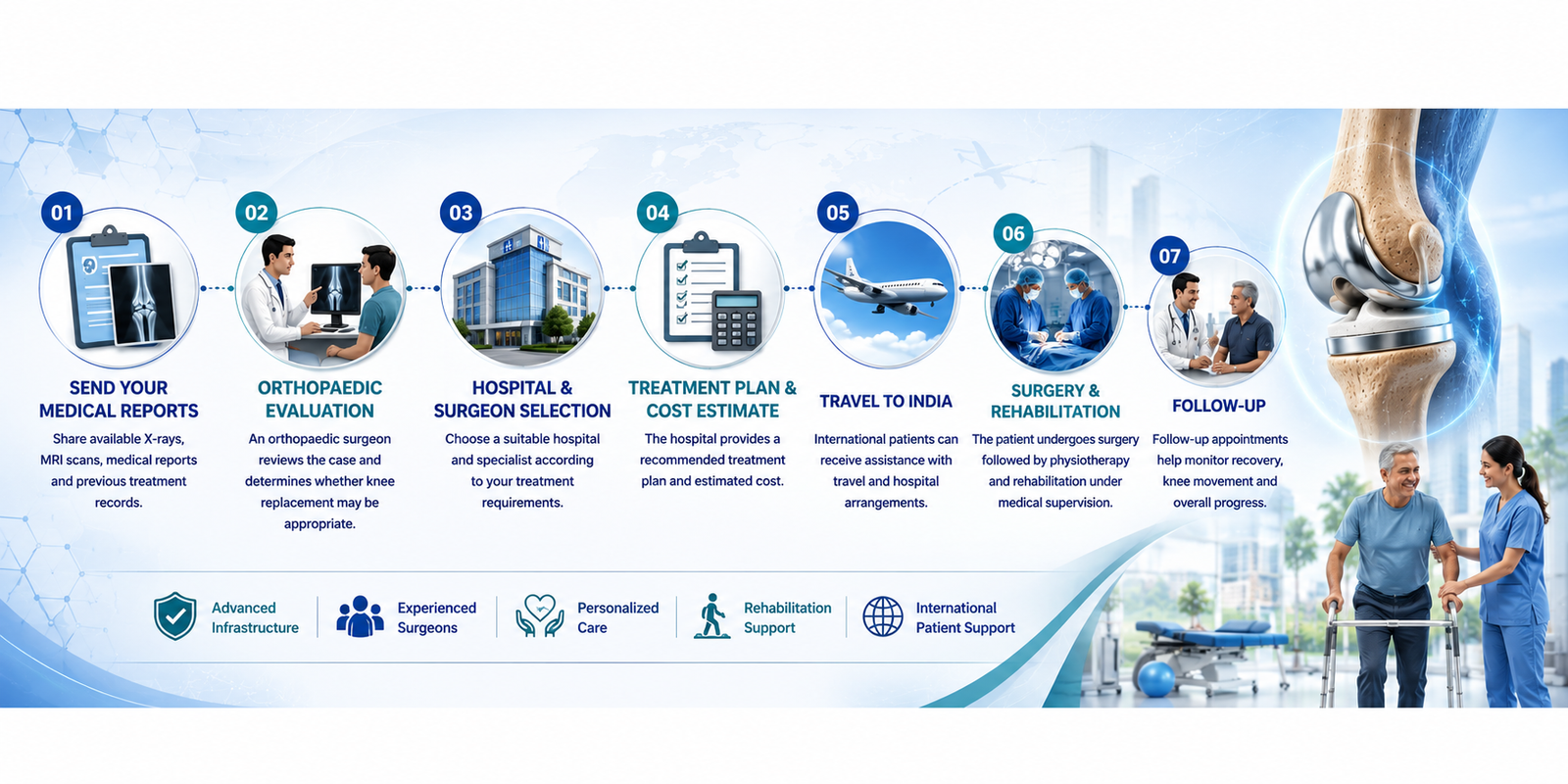
Total Knee Replacement is a surgical procedure designed to relieve pain and restore mobility in patients whose knees have been severely damaged, most commonly due to arthritis or injury. If you’ve been living with persistent knee pain that makes it hard to walk, climb stairs, or perform daily activities—even after trying medications or physiotherapy—then knee replacement might be a recommended solution. The goal is to replace the damaged parts of your knee joint with a smooth, artificial implant that moves just like a healthy joint.
India has become a global hub for orthopedic procedures like knee replacement due to its combination of top-quality care and affordability. The hospitals we partner with are internationally accredited, and the surgeons have decades of experience, often trained or practiced abroad. More importantly, patients do not have to wait for months for surgery, which is often the case in many Western countries. By choosing India, you receive world-class care at a much more affordable price, with personalized attention throughout your journey.
The cost of Total Knee Replacement in India through Medindia Tours usually ranges between $4,000 to $6,500 USD. This cost covers most aspects of your treatment including the hospital stay, surgery, high-quality implants, doctor’s fees, pre-surgery tests, and post-operative care. Once we receive your medical reports, we will provide a detailed treatment plan and an all-inclusive quote customized for your needs.
Most patients stay in India for about 10 to 14 days. This duration covers your initial consultations, pre-operative evaluations, the surgery itself, and the first phase of physiotherapy after surgery. We ensure you’re fully ready to travel back home, and your recovery is progressing smoothly before you leave.
Patient safety is our highest priority. The hospitals we work with follow strict international protocols to minimize infection risk and ensure the highest standards of cleanliness and surgical safety. Total Knee Replacement is a common and highly successful procedure when performed by experienced surgeons, and we connect you only with the best in the field.
You will be provided with implants from globally recognized manufacturers such as Zimmer Biomet, Johnson & Johnson (DePuy), Stryker, or Smith & Nephew. The choice of implant depends on various factors like your age, lifestyle, weight, and budget. The surgeon will explain the options to you in detail, helping you choose what’s best for your long-term health and mobility.
Most patients are pleasantly surprised to find that they are encouraged to start walking—with support—within a day or two after surgery. Early mobility is key to recovery, and our physiotherapists will be by your side to guide you through gentle exercises that strengthen your new joint and speed up healing.
From the moment you decide to travel, we handle everything for you. We assist with your medical visa, pick you up from the airport, book your accommodation near the hospital, and ensure you meet with the best orthopedic surgeon suited to your case. Throughout your stay, we’ll be available 24/7 to help with any needs, including language translation, local transportation, and even help your travel companion feel comfortable.
While it’s possible to travel alone, we recommend having a friend or family member accompany you for emotional and physical support, especially during the initial recovery days. We can arrange for both of you to stay comfortably near the hospital and ensure both your needs are taken care of.
Yes, and in fact, we encourage it. You can share your medical reports with us by email or WhatsApp, and we will arrange a free medical opinion from one of our experienced orthopedic specialists. If needed, a video consultation can also be arranged so you feel fully confident before making any travel plans.